According to the Hong Kong Cancer Registry, approximately 100 new cancer cases are diagnosed daily in Hong Kong.
The human body is like a sophisticated ecosystem, composed of millions of cells with different forms and functions. In a healthy body, cells undergo metabolism as needed: new cells are generated in an orderly manner, old cells naturally die, maintaining a delicate balance. When abnormal cell proliferation disrupts the body's balance, cancer forms. Doctors often use staging (stages I to IV) to describe cancer development, including tumor size, whether it has spread, and the extent of spread. This is like drawing a map of the condition to help develop the most appropriate treatment strategy.
Cancer can start growing from cells in almost any part of the body. Common types of cancer include:
✓ Long-term non-healing wounds ✓ Difficulty swallowing ✓ Abnormal bleeding
These symptoms often interact with each other, not only affecting the patient's physical function but also bringing enormous challenges to the lives of patients and their families.
38%
Reduced hospitalisation rate [1]
30%
Reduced emergency room visits [1]
29%
Reduced patient depression [2]
41%
Improved quality of life for advanced cancer patients [2]
53%
Cost savings compared to hospitalisation [3]
= 73%
Prefer home care [4]
Based on our extensive home care experience, different cancer patients have varying care needs: lung cancer patients recovering at home typically require respiratory support and oxygen therapy; post-operative stoma care and nutritional support are crucial for colorectal cancer patients; lymphedema management and chemotherapy/radiotherapy side effect management are more common for breast cancer patients. We have developed "Professional Cancer Care Services - Three Key Stages" to safeguard cancer patients:
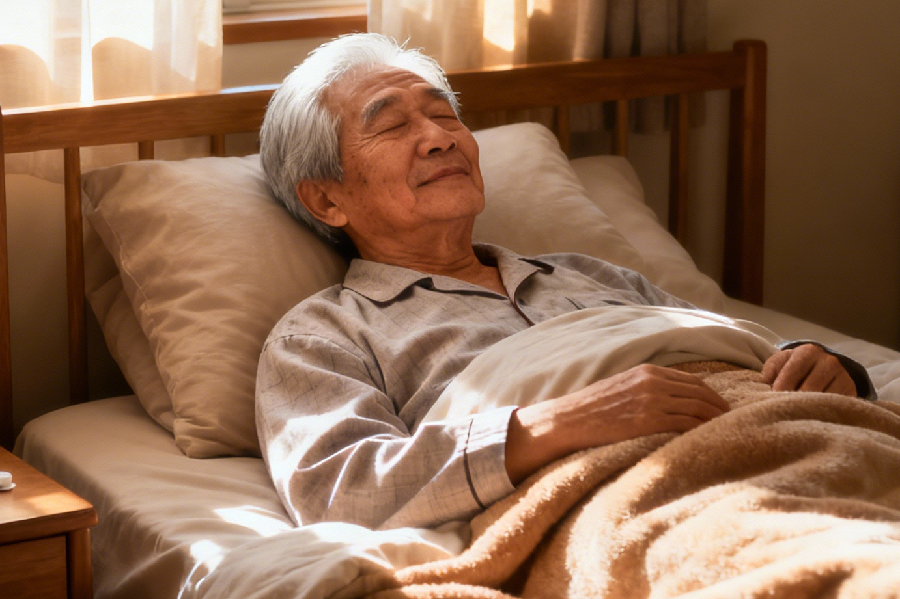
Patients with stable conditions (especially early/mid-stage cancer patients) can receive professional medical support such as targeted therapy at home, ensuring worry-free treatment. In the familiar home environment, maintaining close connections with family and friends, patients can also receive greater emotional support.
Patients with longer cancer progression may experience sudden dangerous symptoms, such as severe infections, severe pain, or treatment complications, requiring close monitoring by professional nursing staff. This creates a safety barrier for patients and prevents families from feeling helpless and panicked.
When patients enter the end-of-life stage, many choose to return home for cancer hospice care, spending their final moments with dignity and peace in their most familiar place. At the same time, nursing staff provide grief counselling for family members, accompanying them through the process of loss.
YDCare has the capability to help patients jointly address malignant tumours and related complications, providing professional care comparable to hospital standards in the home environment for you or your family members.
1. Registered Nurse Assessment (1 session)
2. Written Assessment Report (1 copy)
Limited places available, first come first served. This service does not replace medical diagnosis. Please seek immediate medical attention at a hospital for acute symptoms.
Fill out the form to secure your promotional spot. Our Case Managers will contact you as soon as possible